Why Simple Interiors Make for
Better Hotel Rooms

Published

Sasya Hotels/March 25, 2026

Share Article

There is a widely held assumption in hospitality design that visual richness signals quality. Elaborate drapes, layered décor, ornate furniture, and decorative details in every corner. The thinking is that guests associate complexity with premium experiences, and that a heavily decorated room communicates care and investment.

This assumption deserves more scrutiny than it usually gets.

What Happens When a Room Has Too Much Going On

Spend a few nights in heavily decorated hotel rooms, and a pattern begins to emerge. The visual drama that impressed on arrival starts to feel like background noise. The layered cushions that looked elegant in the listing photograph become things you remove from the bed before you can sleep. The art on every wall means the room never fully quiets down. There is always something catching the eye, always something demanding a small amount of attention, and that low level of visual busyness is quietly tiring.

Rest requires the absence of demand. A room that keeps presenting things to notice, appreciate, or navigate works against the guest, even when every individual element is beautifully chosen.

How Minimal Interiors Create Genuine Comfort

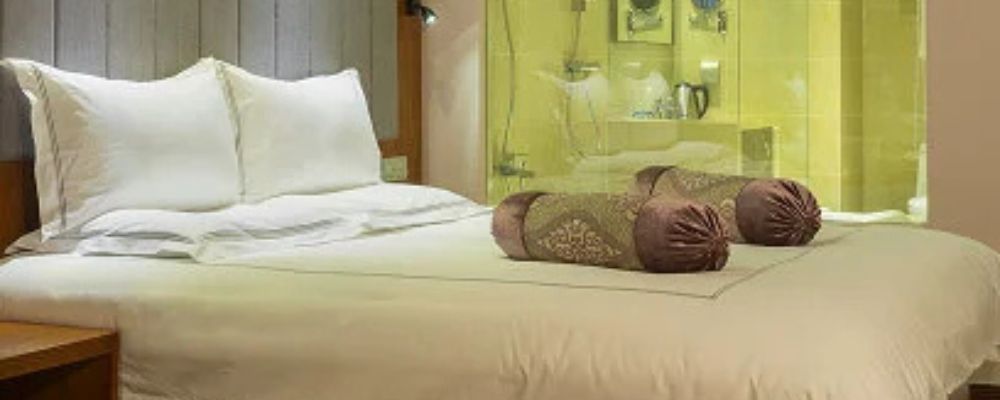
A room with clean lines, a restrained color palette, and furniture that does not crowd the space creates a different kind of experience. The eye finds somewhere to land and stay. The room feels settled. Guests can walk in, put their bags down, and feel at ease without needing to adjust anything or push anything aside.

Neutral tones, particularly warm whites, soft greys, and earthy shades, reduce visual competition between surfaces. The room reads as cohesive and calm. This is not a passive effect. It actively supports the transition from the stimulation of a busy day to the quietness needed for rest.

Proportionate furniture in a well-planned layout also means guests can move through the room comfortably. An open floor plan, even in a standard-sized room, gives a sense of space that makes the stay feel easier. When a room feels physically generous, guests tend to feel more relaxed in it, regardless of the actual square footage.

Practical Design Is a Hospitality Decision

Minimal design is sometimes mistaken for sparse design. The two are quite different.

A minimal hotel room still has everything a guest needs. The distinction is that every element earns its place. Storage is positioned where guests naturally reach for it. Lighting is warm for evenings and functional for working, and the guest has control over it. The bed is placed for comfort and convenience rather than for the visual balance of a promotional photograph. Seating is arranged to be used, not admired.

This kind of practical, purposeful design requires more thought than filling a room with furniture and decoration. It demands an understanding of how guests actually move through a space, what they reach for first, where they tend to sit, and what makes them feel at ease within the first few minutes of arrival.

Indian travelers in particular, many of whom are navigating packed schedules with early mornings and late evenings, benefit enormously from this kind of considered design. A room that is easy to be in, where everything is where it should be, and nothing is in the way, takes a small but real amount of effort off the guest. Over the course of a stay, that adds up.


The Direction Hotel Design Is Moving

Across India's better boutique properties, particularly in cities like Hyderabad, Bengaluru, and Pune, the design conversation has shifted. Interiors that feel natural, warm, and uncluttered are increasingly what well-traveled guests seek out. The era of impressing through accumulation is giving way to something quieter and more considered.

This shift reflects a broader change in what Indian travelers prioritize. Guests who have stayed in enough hotels know the difference between a room that photographs well and a room that supports a good night's sleep. The latter wins every time.

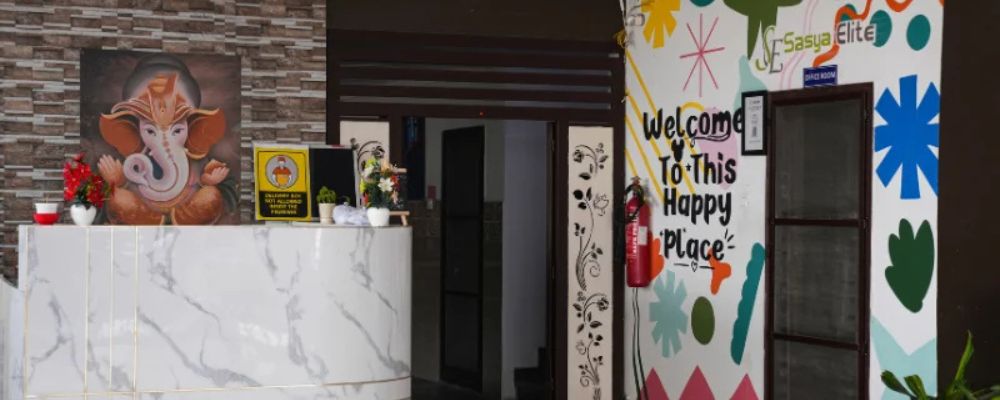
Sasya Elegance in Nallagandla was designed with this understanding at its core. Minimal interiors, warm lighting, proportionate furniture, and a layout built around the comfort of the guest. A room where everything serves a purpose and the overall effect is one of calm rather than performance.

That is the standard Sasya Hotels is building toward, and it is the standard that makes the most difference to the people staying in the rooms.